Top 10 Roof Replacement Florida Ideas for Maximum Curb Appeal and Storm Safety
 Florida Trade Specialists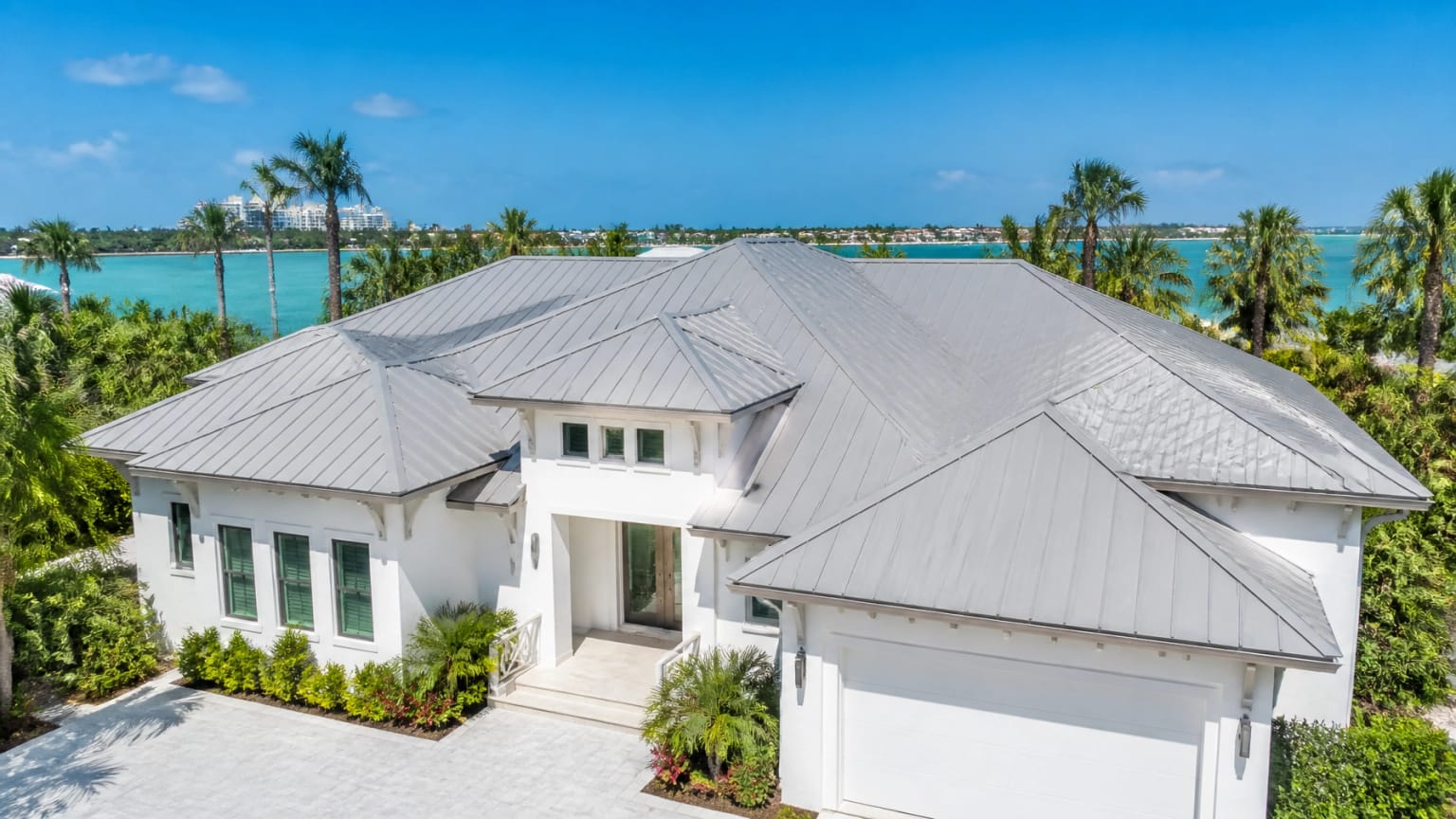
Florida homeownership demands extreme structural resilience.
The environment is hostile to building materials.
High UV indices degrade surfaces rapidly.
Hurricane-force winds destroy substandard installations.
A roof is the primary defense against water intrusion.
Failure results in catastrophic interior damage.
Homeowners must prioritize engineering over aesthetics.
Modern materials allow for both performance and visual appeal.
Licensed expertise is non-negotiable for Florida code compliance.
1. Standing Seam Metal Roofing
Standing seam metal provides maximum longevity.
Fasteners are concealed beneath the metal panels.
This design eliminates leak points at the screw heads.
It withstands winds up to 160 mph.
The smooth surface sheds debris and water instantly.
Reflective coatings reduce attic temperatures by 30%.
Initial costs are high.
Long-term ROI is superior to all other materials.
Unlicensed installation leads to panel uplift during storms.
2. Architectural Asphalt Shingles
Standard 3-tab shingles fail in Florida storms.
Architectural shingles are multi-layered and heavy.
They provide high-definition texture for curb appeal.
Most carry a 130 mph wind rating.
They are the most cost-effective roof replacement florida option.
Poorly ventilated attics cause shingle blistering.
Verification of manufacturer warranties requires professional installation.

3. Concrete Barrel Tiles
Concrete tiles are traditional in Florida architecture.
They offer extreme fire and impact resistance.
Weight is a significant factor for the home's structure.
An engineer must verify the roof deck capacity.
Tiles do not rot or decay.
Salt air does not corrode concrete.
Coastal properties benefit most from this material.
Improper fastening causes tiles to become projectiles in a hurricane.
4. Clay Tile Systems
Clay tiles offer timeless Mediterranean aesthetics.
They are naturally resistant to UV degradation.
Colors do not fade over decades of exposure.
Natural airflow occurs under the curved tile profile.
This keeps the roof deck cooler than flat materials.
Clay is more brittle than concrete.
Walking on the roof requires specialized training to prevent breakage.

5. Synthetic Slate and Shake
Natural slate is too heavy for most Florida homes.
Synthetic alternatives use polymer resins.
They mimic the look of stone or wood perfectly.
They carry Class 4 impact ratings.
Synthetic materials do not absorb water.
This prevents the mold and algae growth common in Florida.
Cost is lower than natural slate but higher than asphalt.
6. Impact-Resistant Shingles
These shingles are engineered with SBS-modified bitumen.
The material is rubberized and flexible.
It absorbs the energy of hail or flying debris.
Standard shingles crack under impact.
Impact-resistant versions maintain the water seal.
Insurance companies often provide discounts for these installations.
If the shingles lack UL 2218 certification, they are inadequate.
7. Solar-Integrated Shingles
Traditional solar panels require roof penetrations.
Each penetration is a potential leak source.
Solar shingles replace the roofing material itself.
They generate power while protecting the home.
The system is sleek and flush with the roofline.
Florida’s solar incentives offset the high installation cost.
Electrical integration must meet strict Florida electrical code.
8. White TPO for Flat Sections
Florida homes often feature flat porches or additions.
Asphalt on flat surfaces fails due to ponding water.
TPO (Thermoplastic Polyolefin) is a single-ply membrane.
It is heat-welded at the seams.
The white surface reflects 80% of solar heat.
It prevents the "hot box" effect in sunrooms.
Puncture resistance is critical for areas with overhanging trees.

9. Galvalume Ribbed Metal
Galvalume uses a zinc and aluminum coating.
It prevents corrosion in high-humidity environments.
The ribbed profile is popular for modern and farmhouse styles.
It is lighter than standing seam but highly durable.
Fasteners are exposed and require regular inspection.
Neoprene washers degrade over 10-15 years and must be replaced.
10. Natural Stone Slate
Slate is the premium roofing standard.
It lasts over 100 years.
It is entirely fireproof.
The aesthetic is unmatched for luxury properties.
The roof structure must be reinforced to handle the weight.
Only specialized Florida trade specialists should attempt slate installation.
Florida Building Code and Compliance
Compliance is the difference between safety and liability.
The Florida Building Code (FBC) is among the strictest in the world.
High Velocity Hurricane Zones (HVHZ) have higher requirements.
Miami-Dade and Broward counties follow these stricter rules.
A permit is required for any roof replacement exceeding 25% of the surface area.
Failure to permit results in fines and insurance cancellation.
Verification of credentials is the homeowner's responsibility.
Florida Trade Specialists confirms the following for every specialist:
- Active state licensure.
- Current general liability insurance.
- Active workers' compensation coverage.
- Zero history of unresolved consumer complaints.
If credentials cannot be verified, the listing is denied.
We do not accept unvetted contractors into the network.

Risks of Substandard Roofing
Unlicensed work is a primary cause of total home loss.
Poorly secured roof decks fly off during high winds.
This exposes the entire interior to rain and wind pressure.
Internal pressure causes wall blowouts.
A "cheap" roof is a financial risk.
Secondary water barriers are now mandatory in many jurisdictions.
These peel-and-stick membranes provide a backup seal if shingles lift.
Never skip the secondary water barrier.
Maintenance Standards
A new roof requires professional maintenance.
Debris accumulation in valleys causes water backup.
Gutters must remain clear to prevent fascia rot.
Annual inspections identify loose flashings before leaks occur.
Florida sun destroys sealant over time.
Preventative repairs cost 10% of a full replacement.
Professional Installation Requirements
Roofing is a high-risk trade.
Homeowners are liable for injuries if the contractor lacks insurance.
Always request a Certificate of Insurance (COI) directly from the carrier.
Do not accept a printed copy from the contractor.
Verify the "Description of Operations" covers roofing specifically.
Florida Trade Specialists maintains these records for all network members.
Required Documentation
Homeowners must retain the following after a roof replacement:
- Building permit sign-off from the county.
- Proof of Florida Product Approval for all materials.
- Wind mitigation affidavit from a licensed inspector.
- Paid-in-full receipt and lien waivers.
- Manufacturer warranty registration confirmation.
Requirements and permits vary by jurisdiction. Always verify with local authorities or a licensed Florida Trade Specialists professional.
Direct Command CTA
Complete the service request form on our website.
Select your county from the list below.
Submit your project details for a licensed specialist referral.
Statewide Service Coverage:
Alachua, Baker, Bay, Bradford, Brevard, Broward, Calhoun, Charlotte, Citrus, Clay, Collier, Columbia, DeSoto, Dixie, Duval, Escambia, Flagler, Franklin, Gadsden, Gilchrist, Glades, Gulf, Hamilton, Hardee, Hendry, Hernando, Highlands, Hillsborough, Holmes, Indian River, Jackson, Jefferson, Lafayette, Lake, Lee, Leon, Levy, Liberty, Madison, Manatee, Marion, Martin, Miami-Dade, Monroe, Nassau, Okaloosa, Okeechobee, Orange, Osceola, Palm Beach, Pasco, Pinellas, Polk, Putnam, Santa Rosa, Sarasota, Seminole, St. Johns, St. Lucie, Sumter, Suwannee, Taylor, Union, Volusia, Wakulla, Walton, Washington.
Frequently Asked Questions
How long does a roof replacement take in Florida?
Standard residential roofs take 2 to 5 days. Weather delays are common. Material delivery usually occurs 24 hours before work begins.
Can I install a new roof over my old one?
No. Florida code generally prohibits "recover" roofs if two layers already exist. Tearing off the old material is required to inspect the wood deck for rot.
Does a new roof lower home insurance?
Yes. A new roof with a wind mitigation certificate often leads to significant premium reductions. Modern fastening methods reduce the insurer's risk.
What is the best roof for hurricane resistance?
Standing seam metal and concrete tile are the highest-performing materials. Correct fastening to the roof deck is more important than the material itself.
When should I replace my Florida roof?
Replace if shingles are curling, granules are missing, or the roof is over 15-20 years old. Most insurers will not cover homes with roofs older than 15 years.